Scrap purchasing — Sarajevo
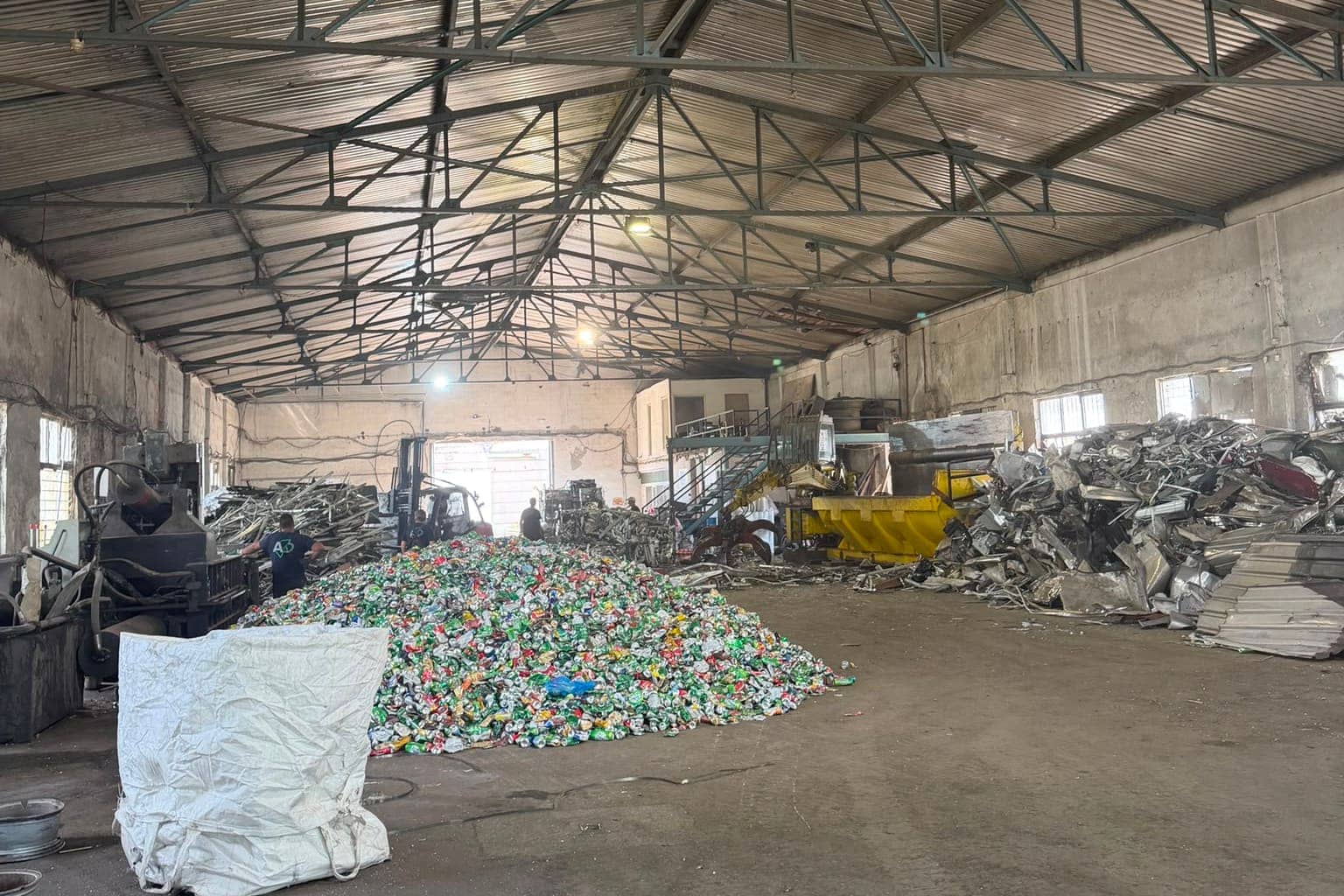
We buy five core groups of secondary raw materials, from companies. On-site weighing, our own transport and payment within 15 days.
How it works
From enquiry to payment
Three steps. You do not need to come in advance, and you are not committing to anything.
 01
01Send an enquiry
A photo of the material and a rough quantity. The photo shows the grade and condition, and that is half of what sets the price.
 02
02We quote you
We answer by phone or email, with a price per kilogram and the collection terms.
 03
03We take the material
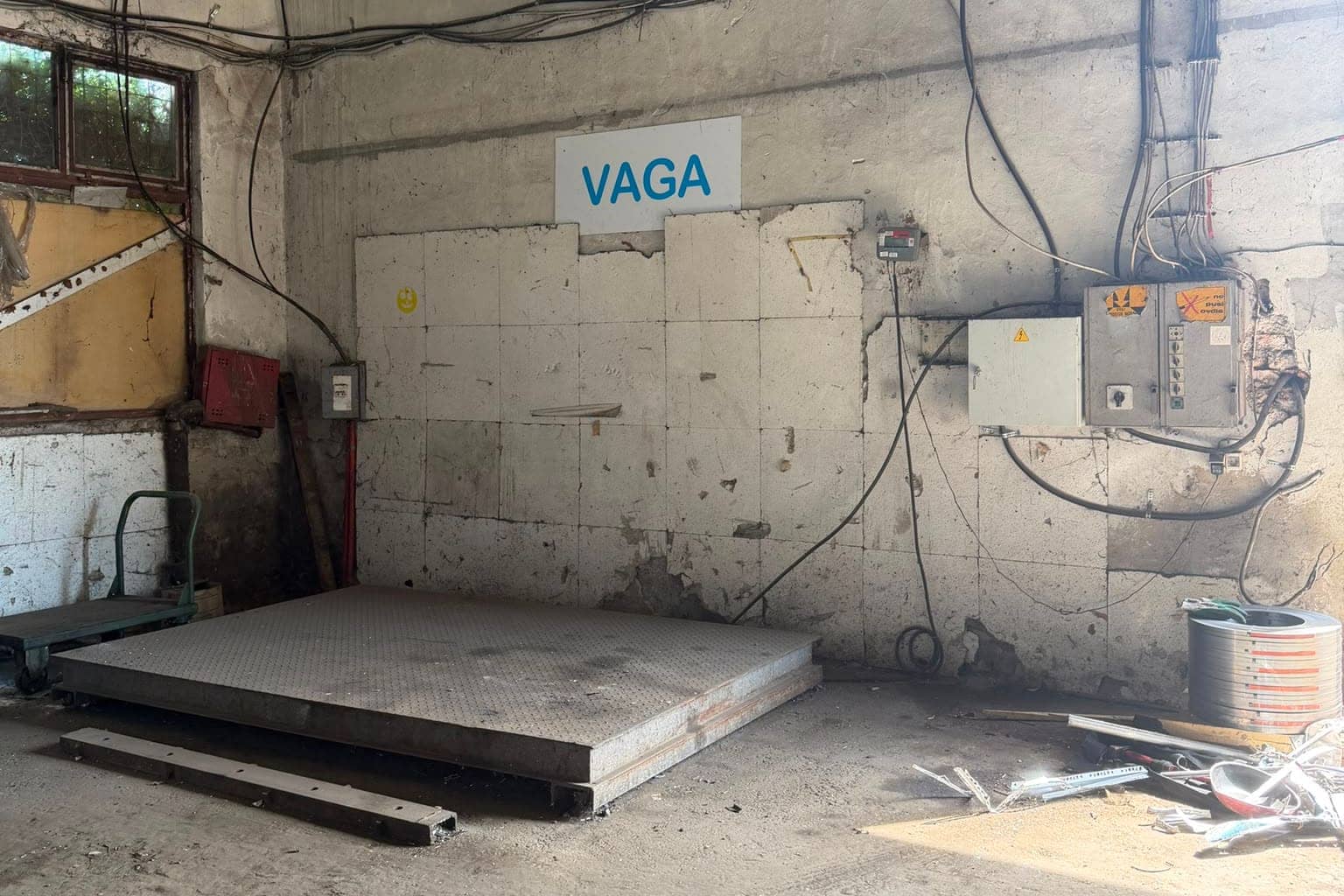
Bring it to Halilovići, or we come to you with our own vehicles. Weighing happens on site and payment follows within 15 days.
Materials
What we buy
Each page lists the grades we accept, how the price is set, and how weighing and payment work.
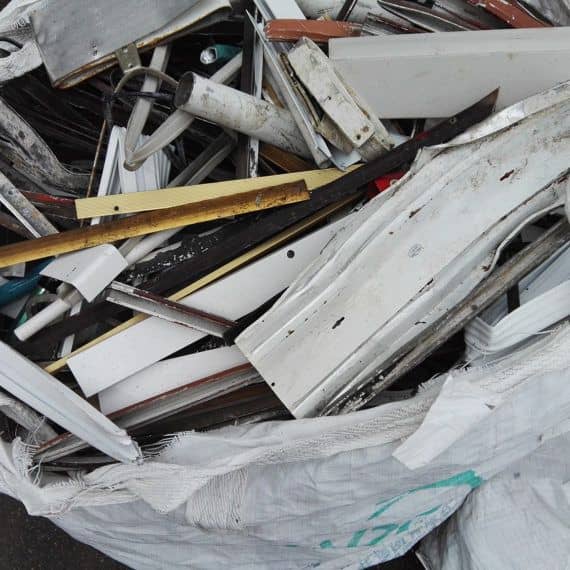
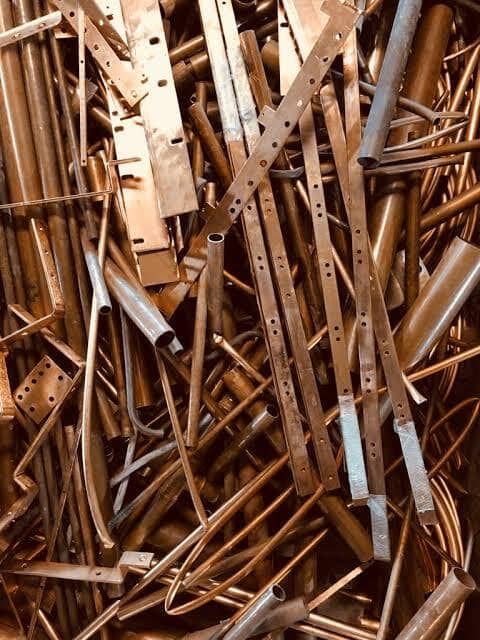
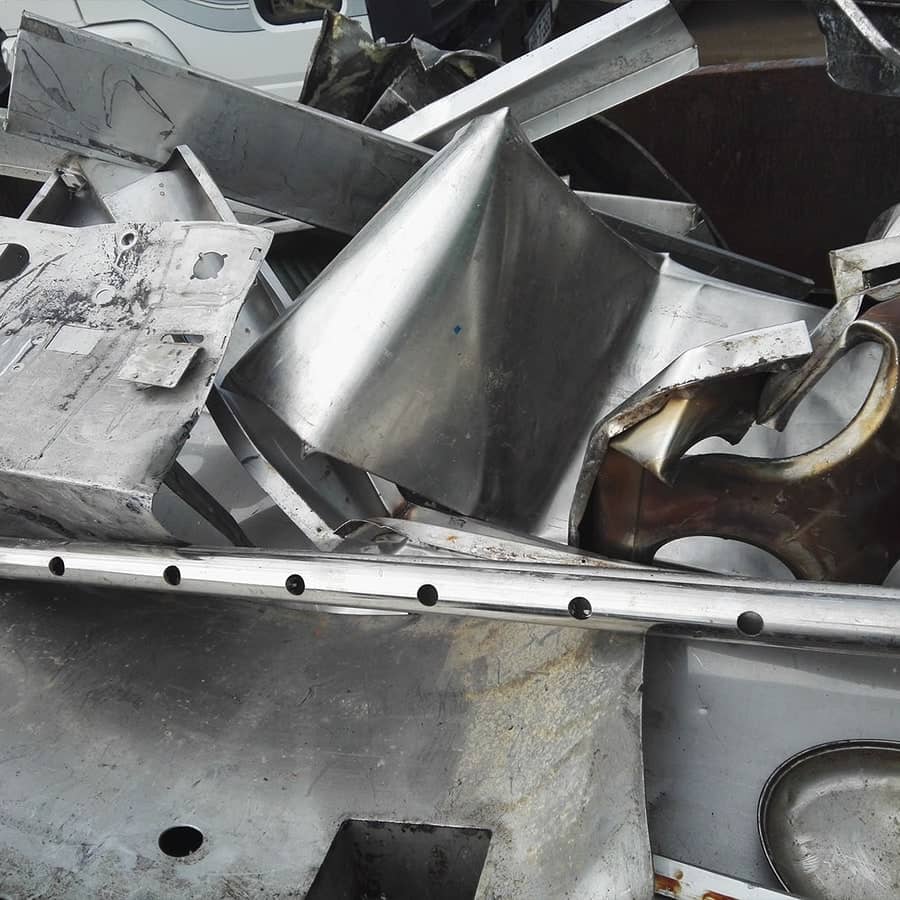
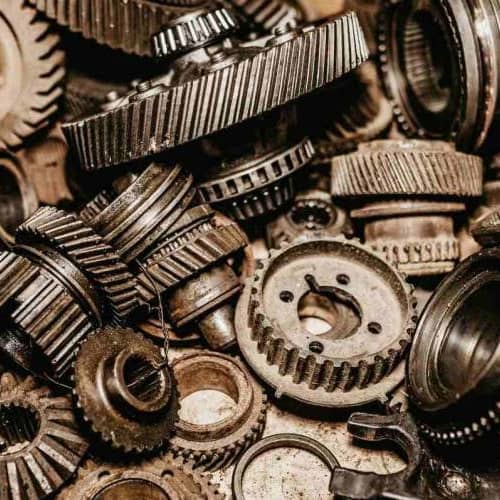
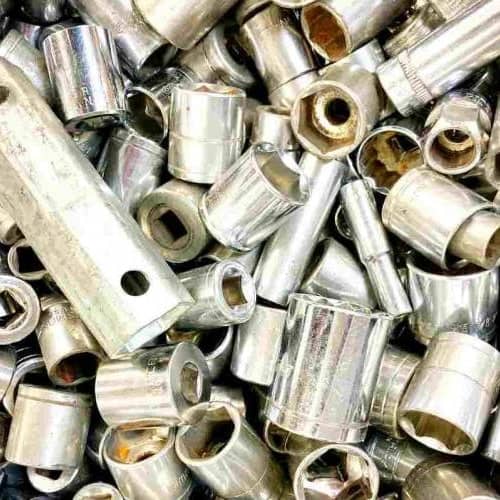
How the price is set
There is no single price. It depends on four things, which is why a photo always helps.
- Grade
- Material is sorted into grades by composition and condition.
- Purity
- Contamination — iron, plastic, insulation, paint — lowers the price because it requires extra processing.
- Quantity
- Larger quantities are priced differently from one-off deliveries.
- World market
- Buying prices follow the world metal exchanges and therefore change through the year.
Recycling
Waste that returns to production
Anything that can be used again rather than thrown away is recycling.
What recycling is
Recycling is the process of separating materials from waste and using them again for the same or similar purposes. It covers collection, separation, processing and the manufacture of new products from used items and materials. Sorting waste by type matters, because many waste materials can be reused if they are collected separately. Without recycling as part of everyday life, a waste management system is impossible to imagine.
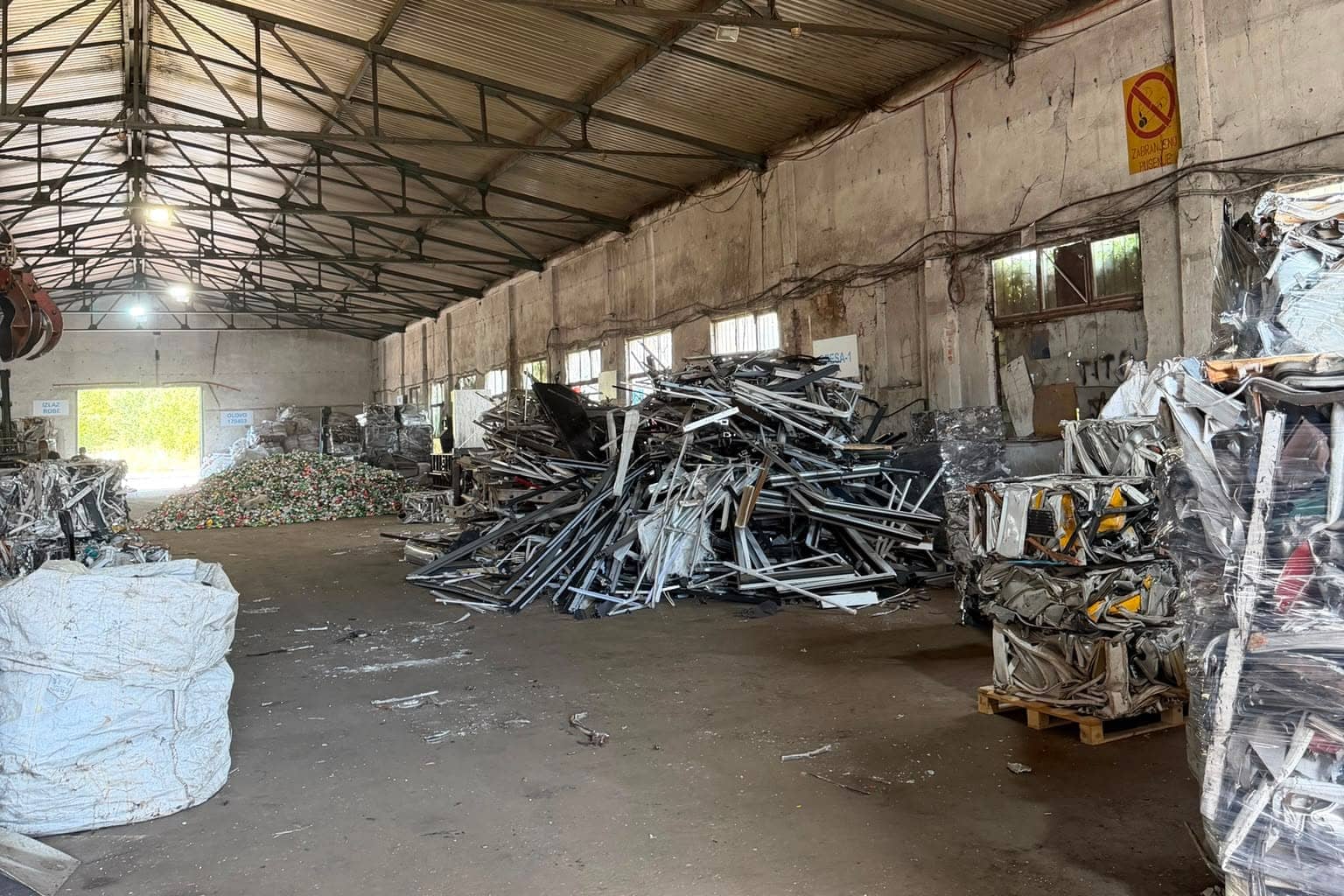
Metals are produced by processing ore. Ore is first mined, which damages or destroys whole landscapes, and then washed in water, which pollutes it. Collecting and handing over scrap metal shortens that chain — the material returns to production without new mining.
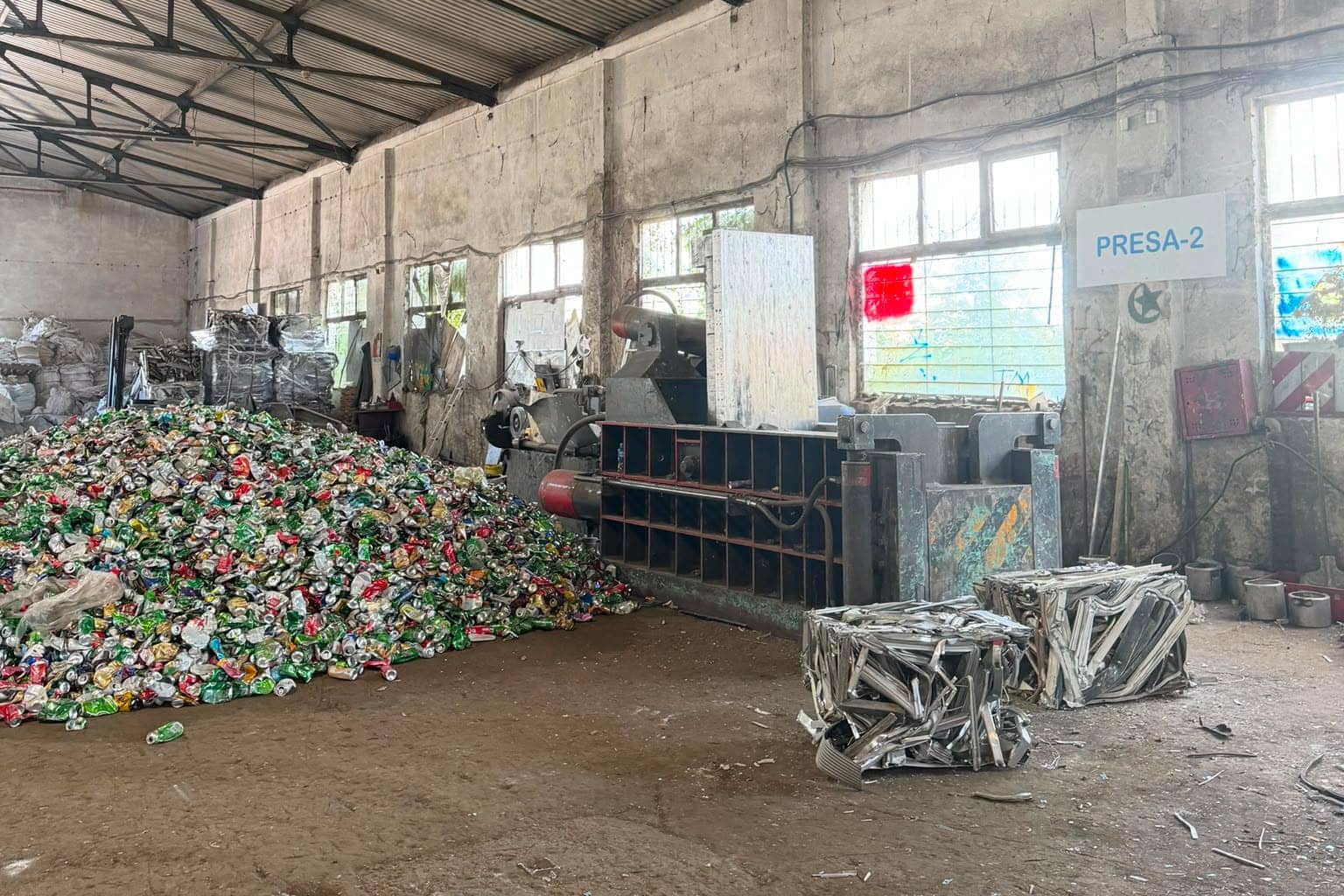
What recycling achieves
- Conserving raw materials
- All materials come from nature and exist in limited quantities.
- Saving energy
- Energy is not spent on primary processes, nor on the transport that goes with them.
- Protecting the environment
- Waste materials degrade the environment; recycling protects it.
- New jobs
- Recycling processes require knowledge and labour, which creates jobs.
The three principles
In terms of reuse, materials are either recyclable — they can return to production — or non-recyclable, in which case they are used for energy recovery or stored in an environmentally safe way.
- Reduce
- Reduce the waste produced.
- Reuse
- Reuse whatever can be used again.
- Recycle
- Recycle what cannot be reused.
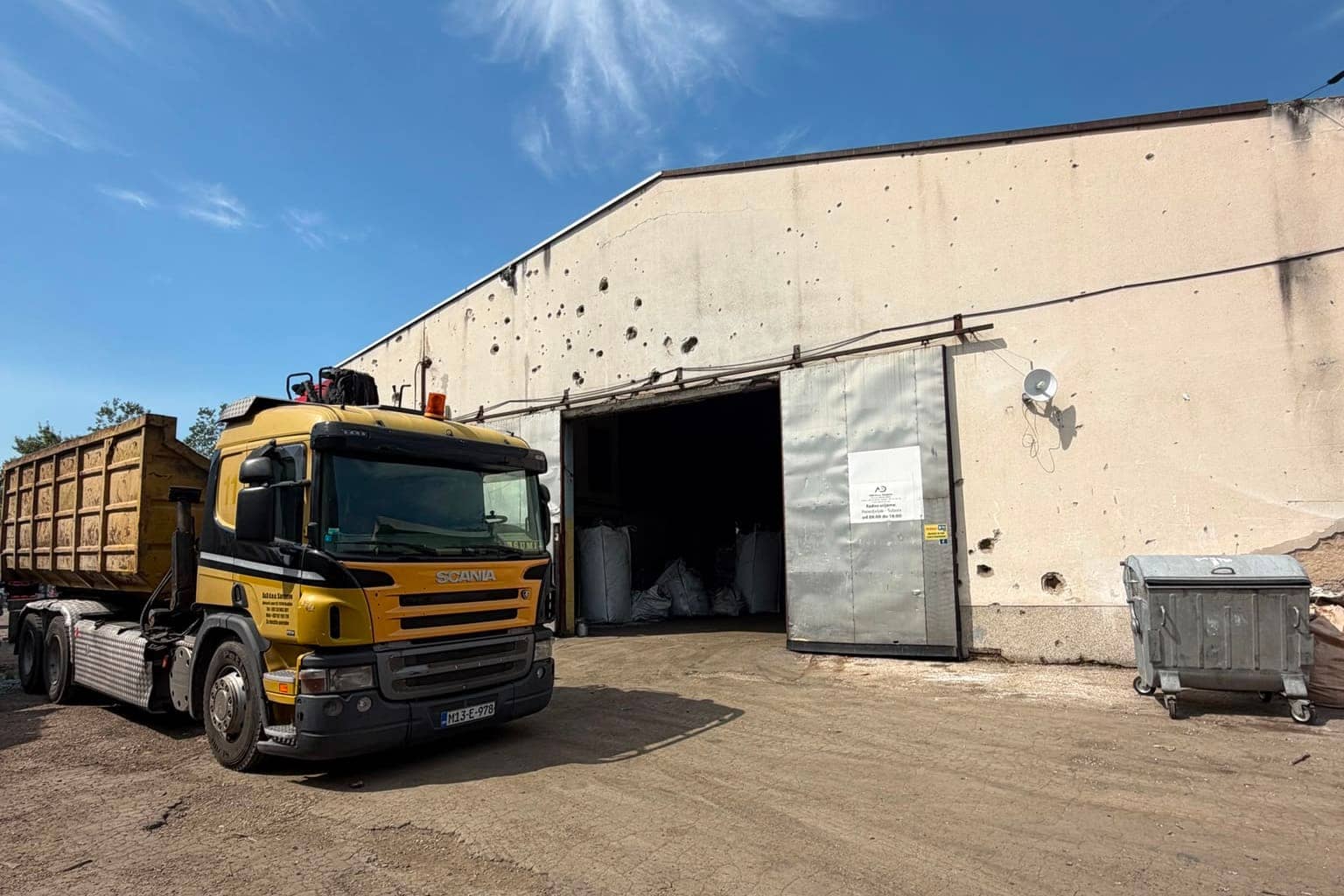
Transport
We collect at your site
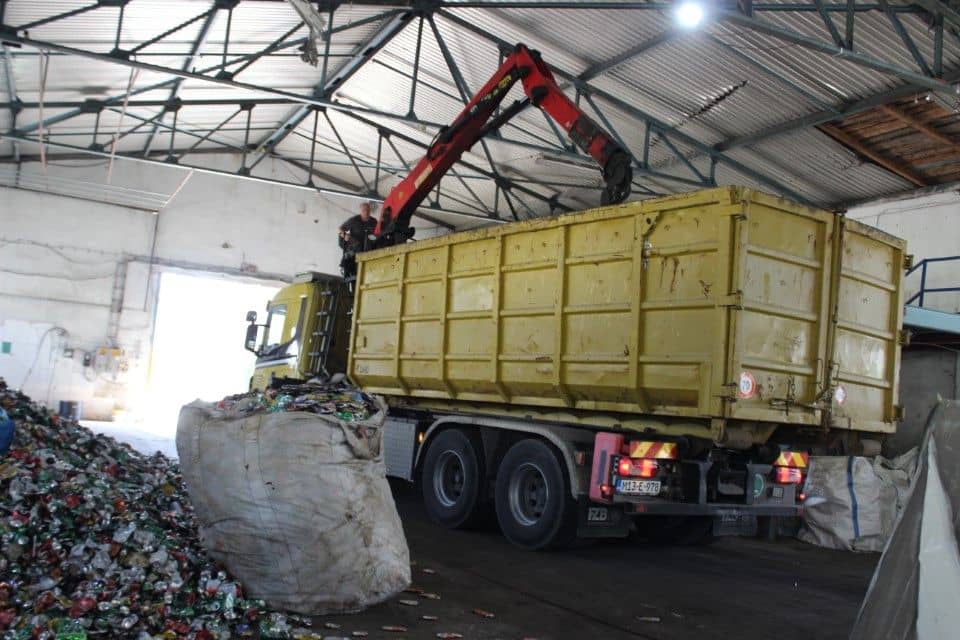
For larger quantities you do not need to arrange haulage — we come with our own vehicles.
Fleet and coverage
We collect with our own vehicles, across the whole of Bosnia and Herzegovina. For collection at your site we work from five tonnes upwards.
For business
Are you a business?
Collection with our own vehicles across Bosnia and Herzegovina, weighing on a calibrated scale and payment within 15 days.
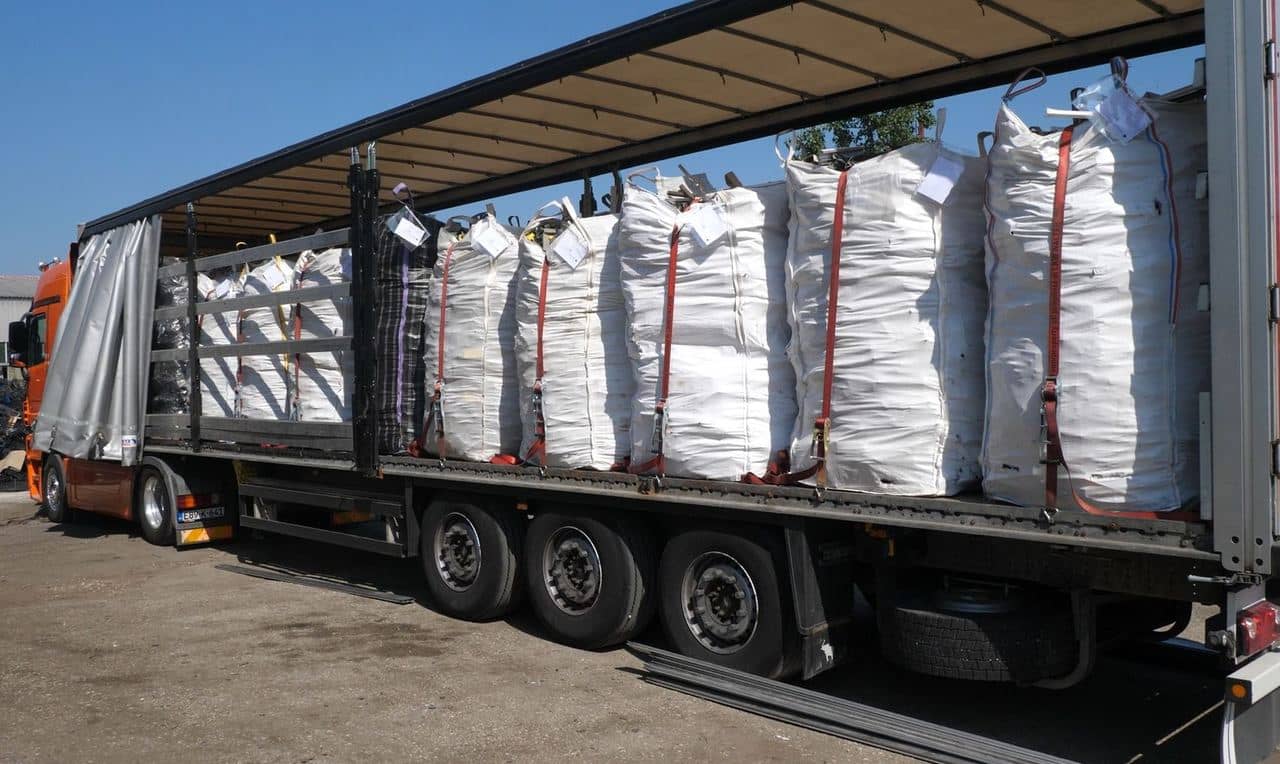
Practical details
- Weighing
- On a calibrated scale at our yard, with a calibration certificate. The quantity is recorded with every handover.
- Payment
- In cash or by bank transfer as agreed, within 15 days of collection at the latest.
- Paperwork
- The seller does not need to bring any additional paperwork.
- Collection
- We come with our own vehicles across Bosnia and Herzegovina, for quantities from five tonnes upwards.
Contact